At Newmarket Physio, we provide custom orthotics designed to support your feet, improve alignment, and relieve pain caused by various foot and lower body conditions. Our licensed therapists carefully assess your posture, walking pattern, and foot structure to create orthotics tailored specifically to your needs.
Custom orthotics can help reduce discomfort, improve mobility, and support better overall body mechanics so you can stay active and pain-free.
At Newmarket Physio, our custom orthotics help treat a wide range of conditions affecting the feet, ankles, knees, and lower back.
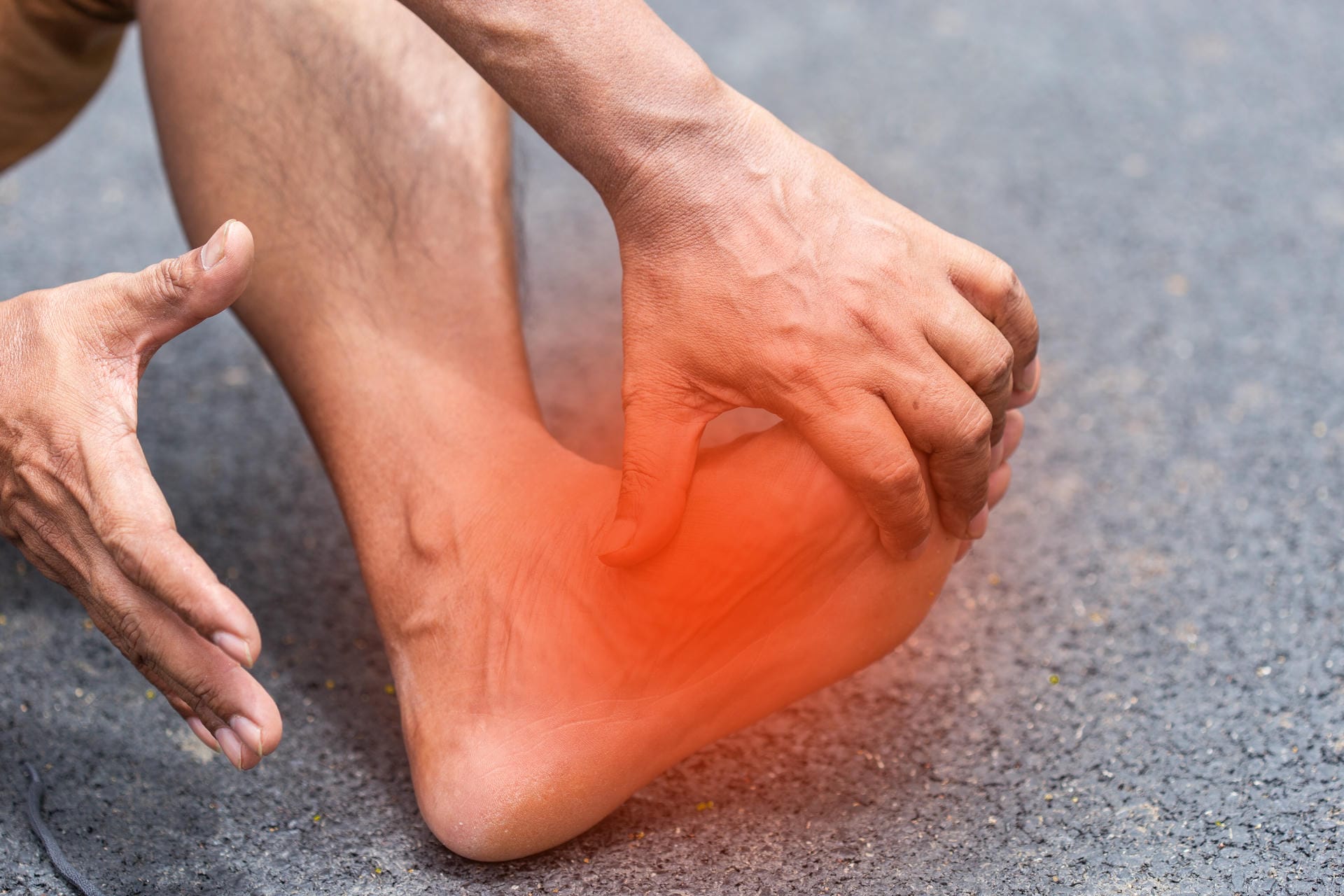
Plantar fasciitis is a common cause of heel pain, resulting from irritation or inflammation of the plantar fascia—a thick band of tissue that supports the arch of the foot. It often causes sharp or aching pain in the heel, especially with the first steps in the morning or after periods of rest.
Treatment focuses on reducing pain, supporting the foot, and addressing the underlying cause. This may include activity modification, stretching and strengthening exercises, footwear advice, custom orthotics, shockwave therapy, and other conservative treatments. With proper care, most people experience significant improvement and a return to normal activity.
A heel spur is a small calcium deposit that forms on the underside of the heel bone, often developing over time due to prolonged strain on the foot muscles and ligaments. Heel spurs are commonly associated with plantar fasciitis and may cause heel pain, especially during walking or standing.
Treatment is aimed at relieving pain and reducing stress on the heel. This may include stretching exercises, footwear modifications, custom orthotics, padding or taping, shockwave therapy, and other conservative care options. Most heel spurs can be managed effectively without surgery.
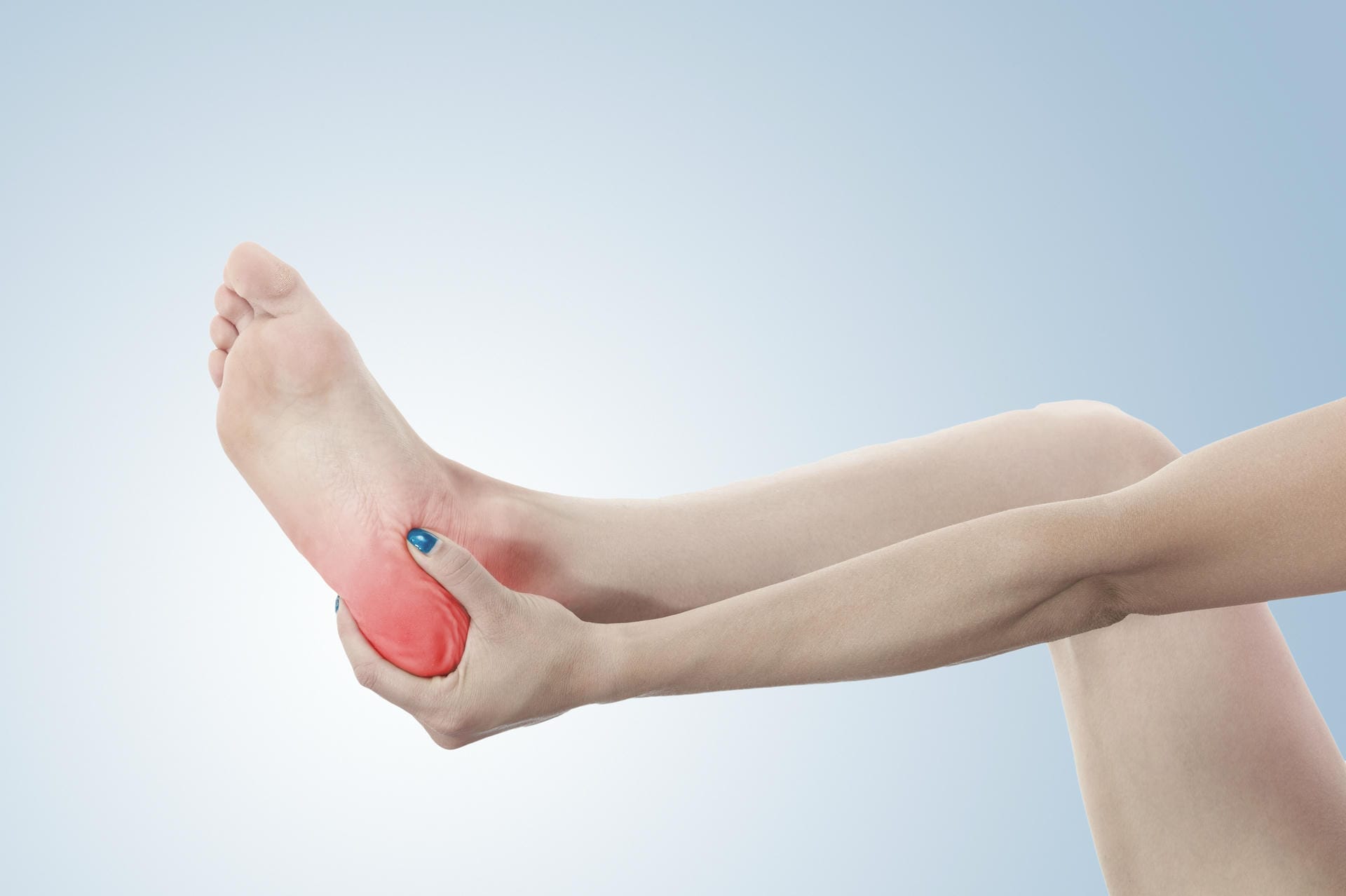
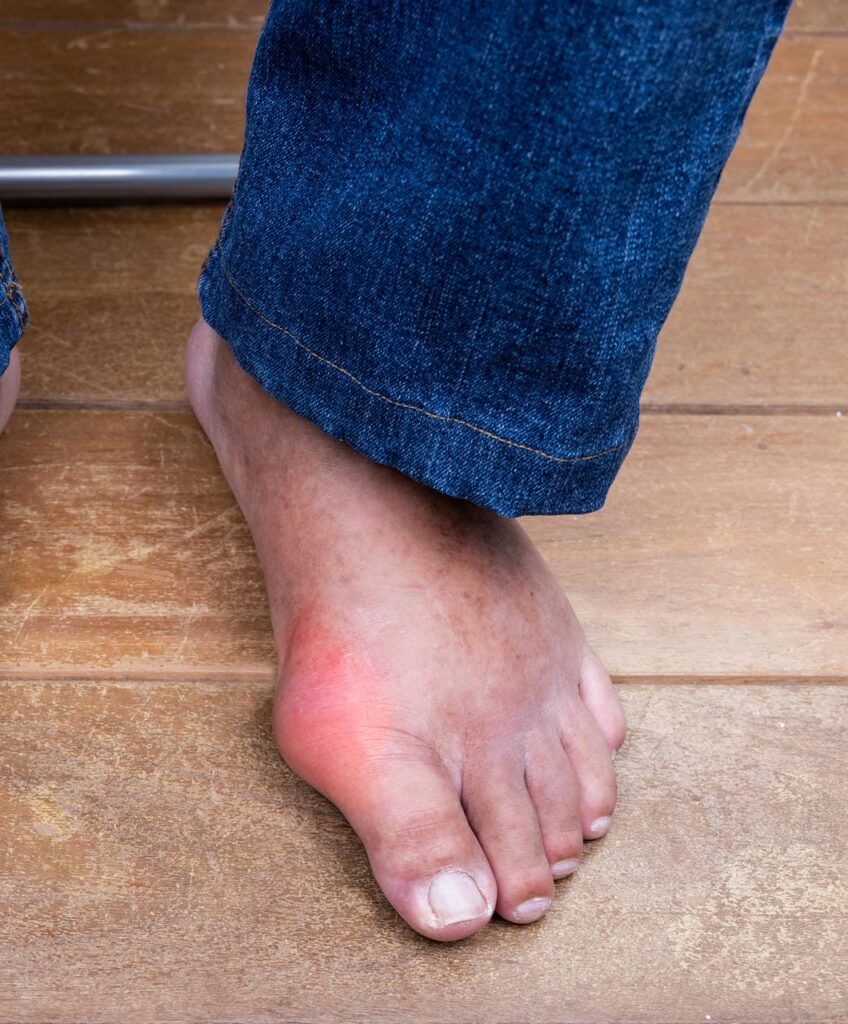
A bunion is a bony prominence that develops at the base of the big toe, causing the toe to gradually angle toward the others. Bunions can lead to pain, swelling, redness, and difficulty wearing certain footwear. They often develop due to foot structure, improper footwear, or repetitive pressure on the joint.
Treatment focuses on relieving symptoms and slowing progression. This may include footwear advice, padding or splinting, custom orthotics to improve foot mechanics, and targeted exercises. In more severe cases, referral for surgical consultation may be considered.
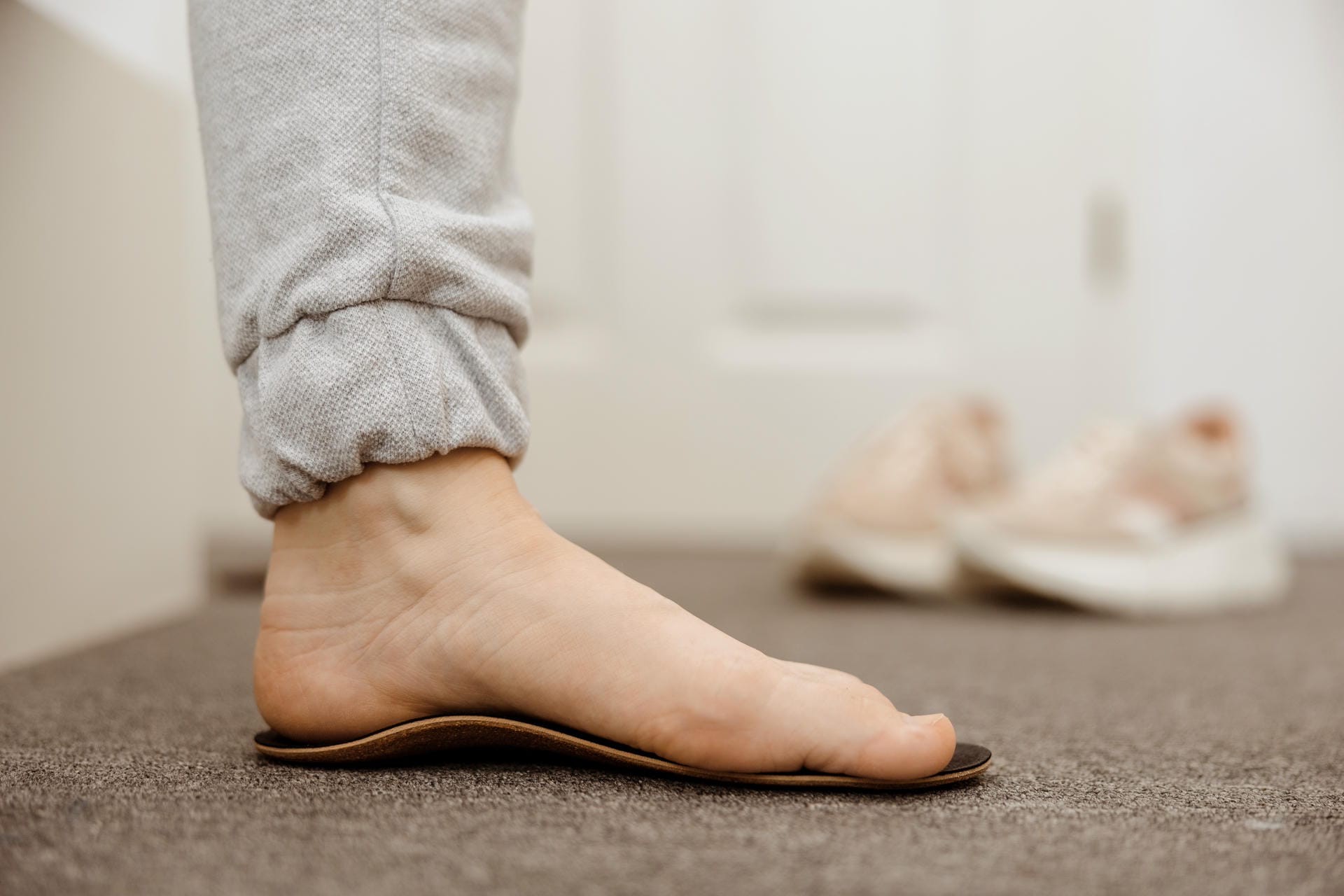
Flat feet, or fallen arches, occur when the arches of the feet collapse, causing the entire sole to make contact with the ground. This can lead to foot fatigue, pain, and increased strain on the ankles, knees, and lower back.
Custom foot orthotics can provide arch support, improve foot alignment, and help distribute pressure more evenly across the foot. Combined with footwear advice, stretching, and strengthening exercises, orthotics can reduce discomfort, improve function, and prevent long-term complications associated with flat feet.
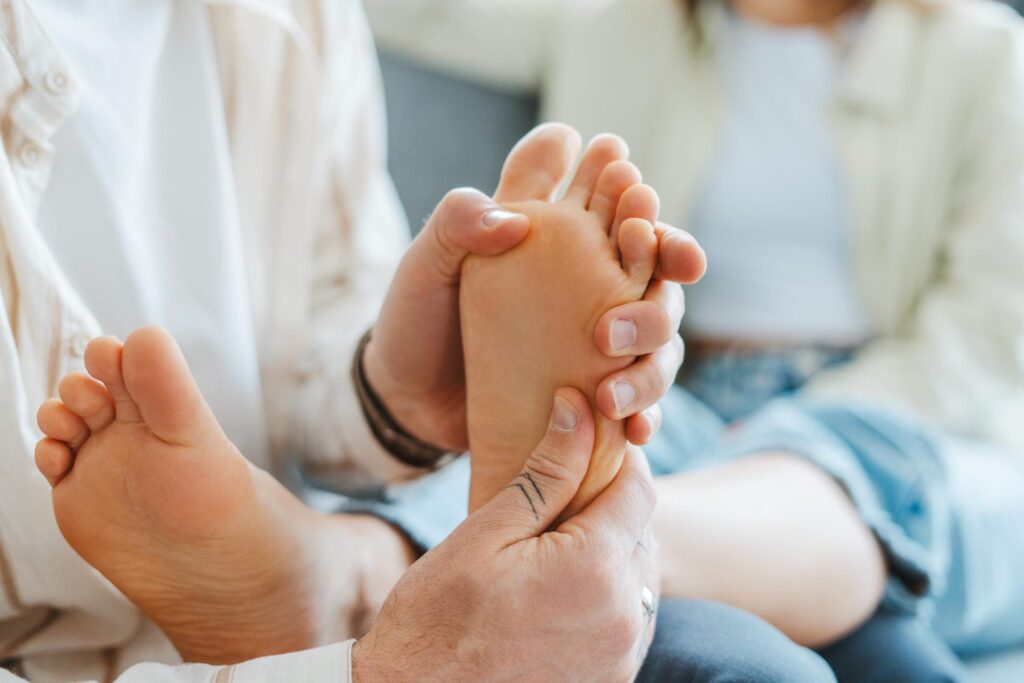
Morton’s neuroma is a painful condition caused by irritation or thickening of the nerve between the toes, most commonly between the third and fourth toes. It can cause burning pain, tingling, numbness, or the sensation of standing on a pebble, often worsened by tight footwear or prolonged walking.
Orthotics help reduce pressure on the affected nerve and improve foot mechanics.
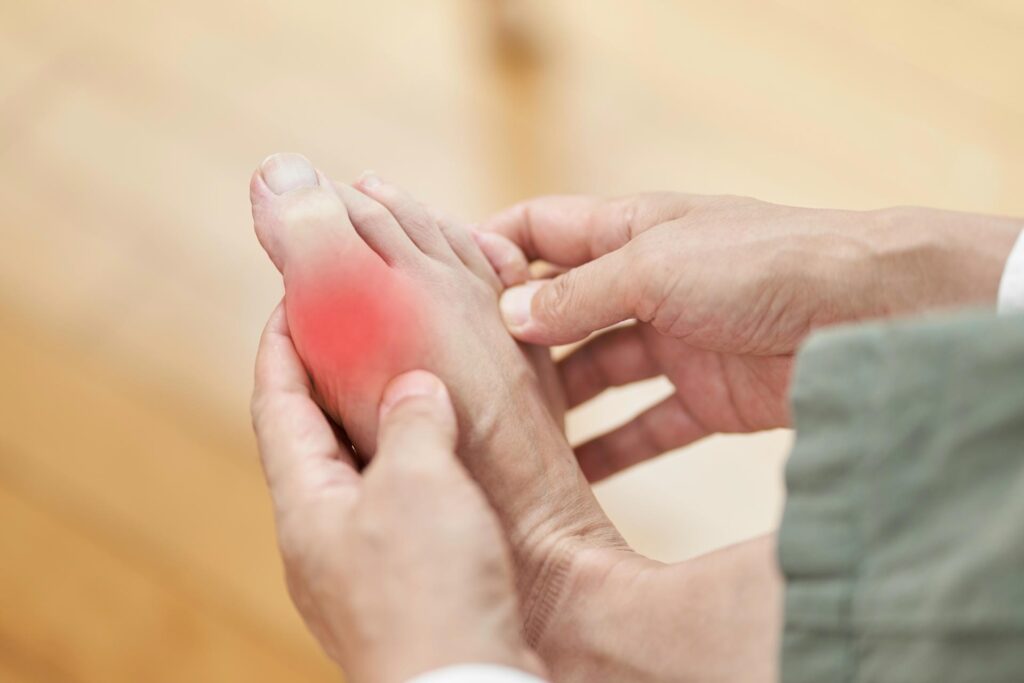
Hallux rigidus is a form of arthritis affecting the joint at the base of the big toe, leading to stiffness, reduced motion, and pain—especially during walking or push-off. Over time, the joint may become swollen and develop bone spurs, making certain footwear uncomfortable.
Custom orthotics help reduce pressure on the joint, improve foot function, and reduce discomfort during daily activities.
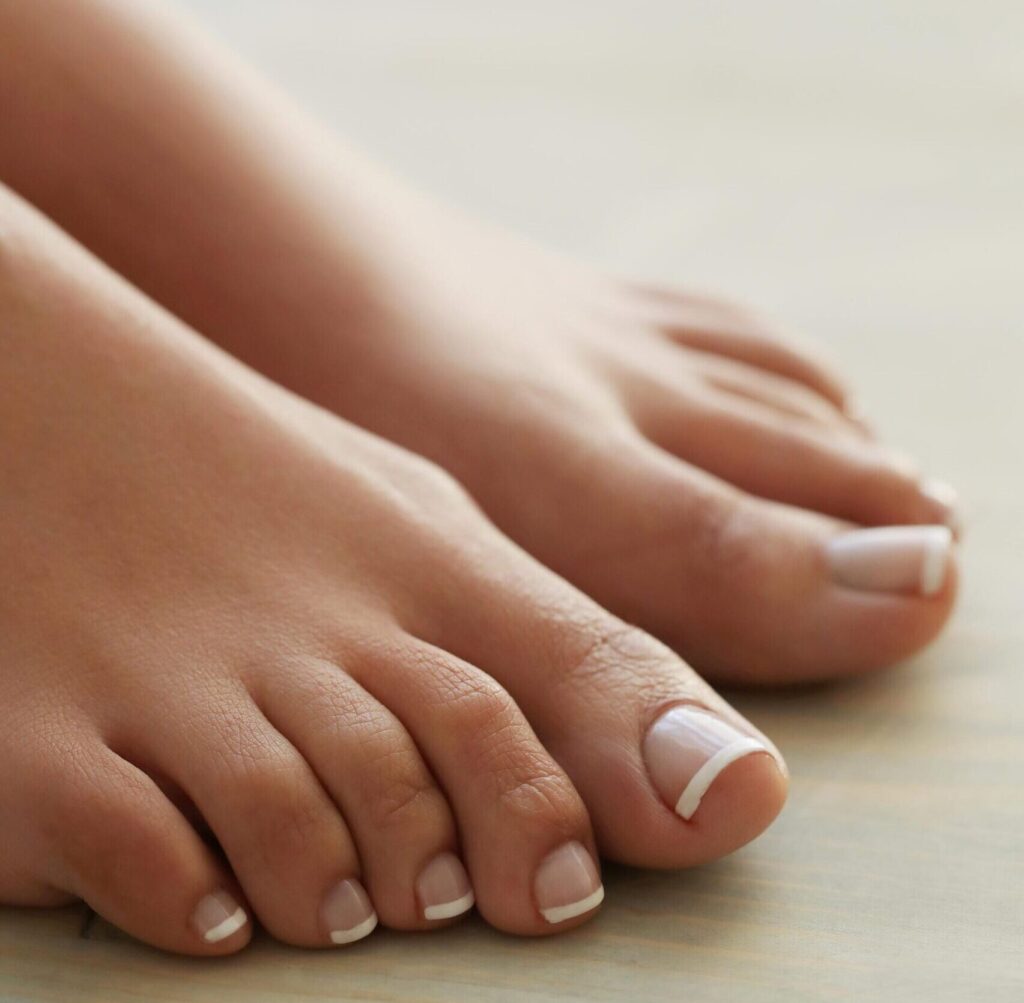
Hammer toes are deformities in which one or more toes bend abnormally at the middle joint, causing the toe to resemble a hammer shape. This condition can lead to pain, corns or calluses, and difficulty wearing shoes. Hammer toes often develop due to muscle imbalance, improper footwear, or underlying foot structure.
Orthotics help improve foot alignment and reduce pressure on the affected toes.
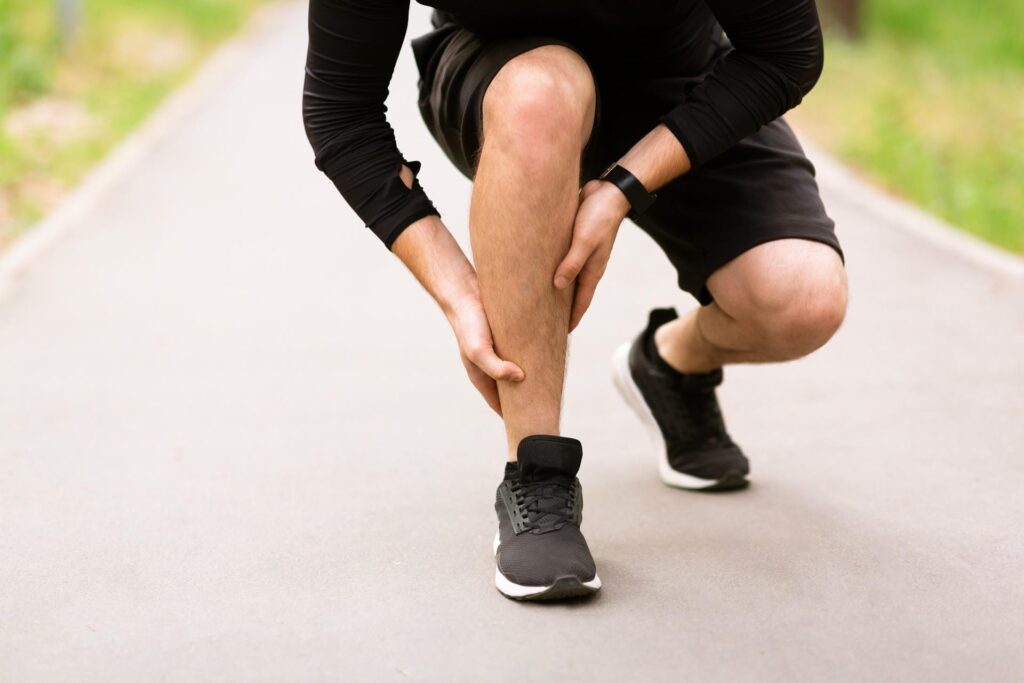
Achilles tendon pain occurs when the tendon connecting the calf muscles to the heel becomes irritated or overloaded. It commonly causes pain, stiffness, or tenderness at the back of the heel or ankle, especially with walking, running, or first steps in the morning.
Custom orthotics help reduce strain on the Achilles tendon and support proper foot movement.
Leg length inequality occurs when one leg is shorter than the other from either structural of functional reasons, which can place uneven stress on the feet, knees, hips, and lower back. This imbalance may contribute to pain, altered walking patterns, and overuse injuries.
Custom foot orthotics can help manage leg length inequality by incorporating lifts or modifications to improve balance and alignment during walking. By redistributing forces more evenly, orthotics can reduce strain on the lower limbs and spine. Treatment may also include gait assessment, footwear advice, and exercises, depending on the severity and cause of the difference.
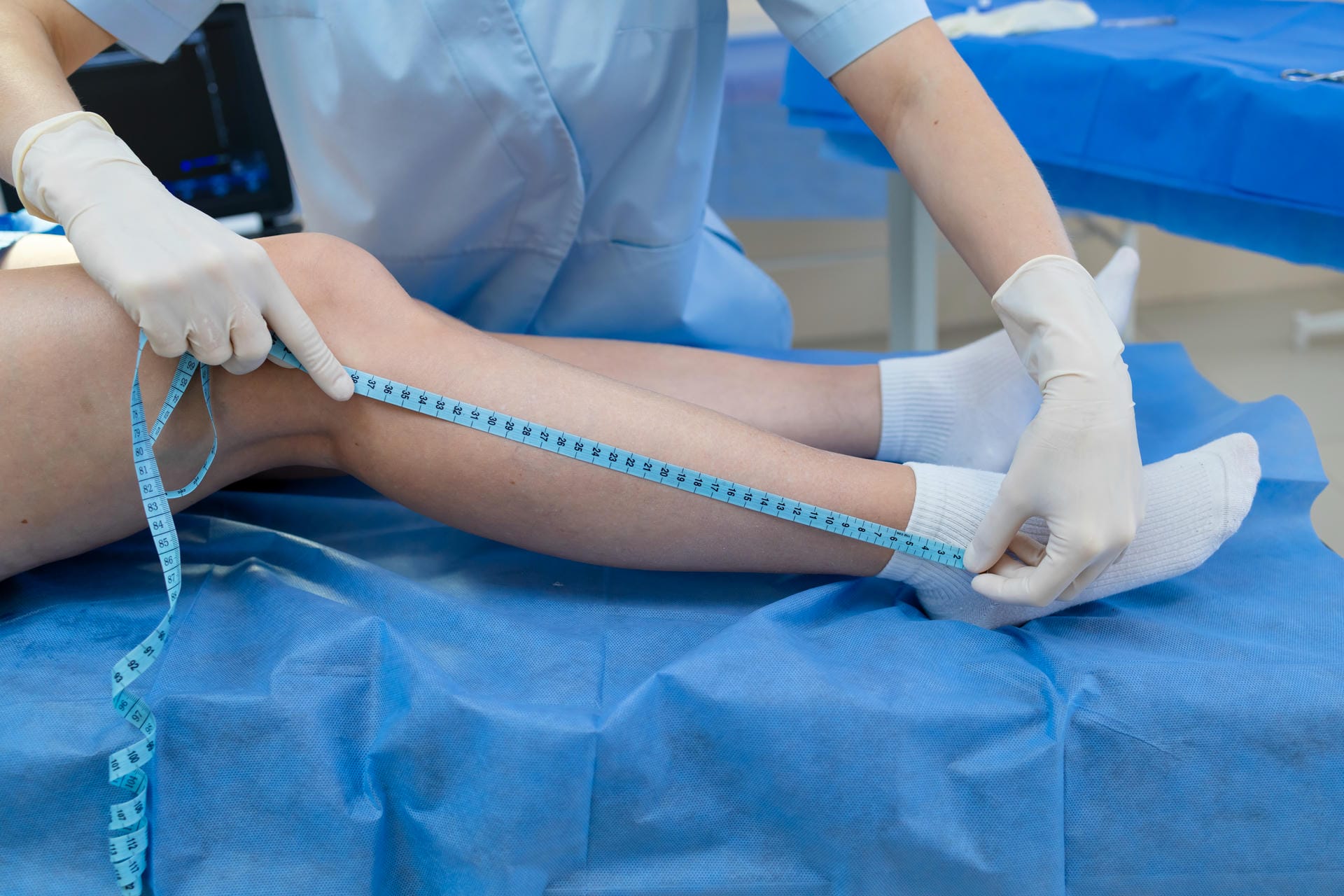
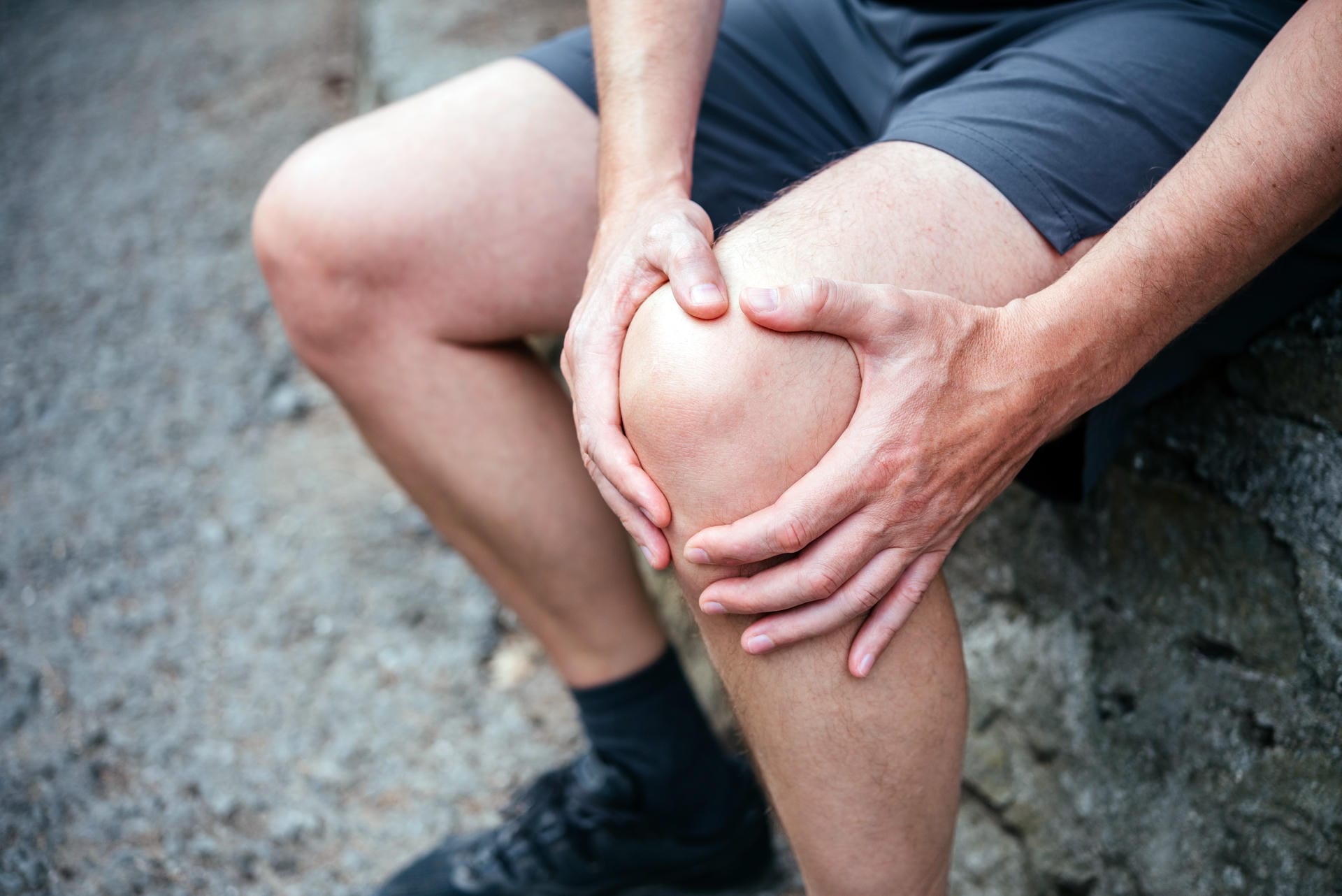
Patellofemoral Pain Syndrome is a common condition causing pain around or behind the kneecap, often worsened by activities such as walking up or down stairs, squatting, running, or prolonged sitting. It is frequently related to abnormal lower-limb mechanics, muscle imbalance, or overuse, which can affect how the kneecap tracks within the joint.
Orthotics help improve leg alignment and reduce abnormal stress on the knee joint.
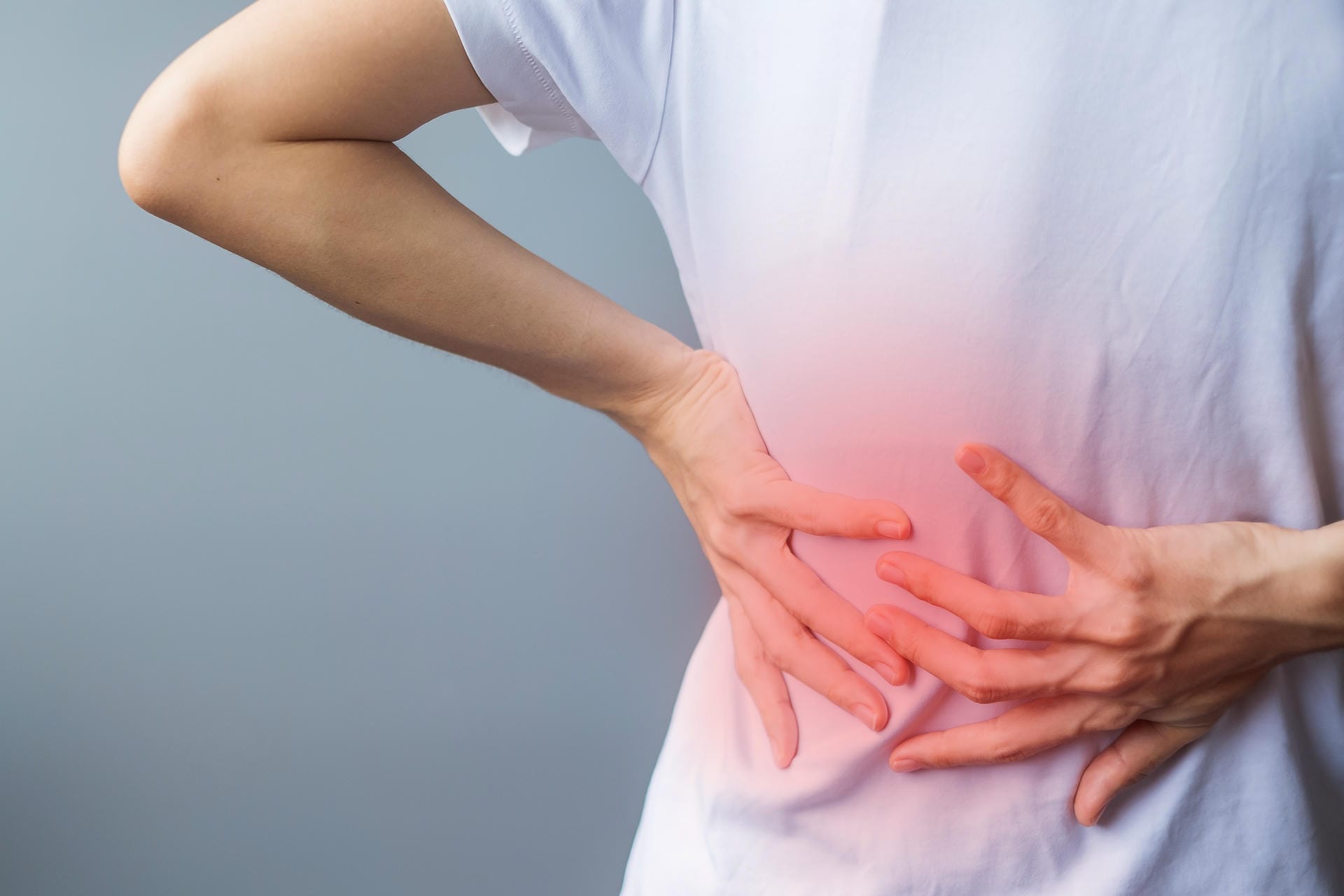
Low back pain is a common condition that can be influenced by poor posture, muscle imbalance, or abnormal biomechanics in the lower limbs. Foot alignment plays an important role in how forces are transferred through the legs and pelvis, which can contribute to ongoing or recurrent back discomfort.
Custom foot orthotics can help support proper foot alignment and improve overall posture, reducing abnormal stress transmitted to the lower back. By optimizing lower-limb mechanics, orthotics may help alleviate pain and prevent recurrence. Treatment may also include activity modification, strengthening and stretching exercises, and footwear advice as part of a comprehensive care plan.
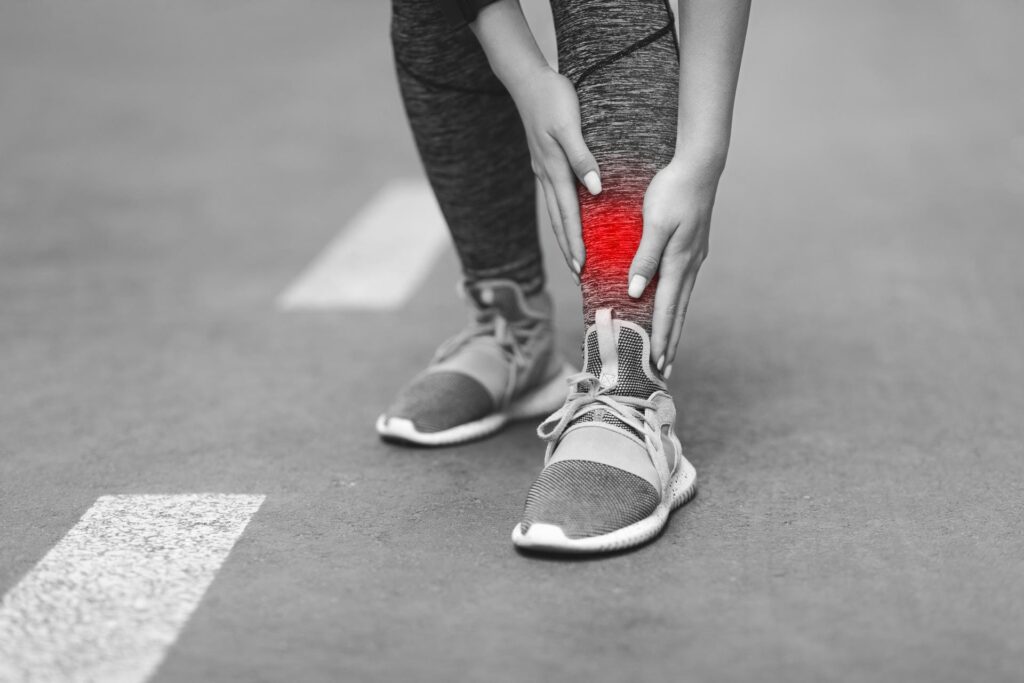
Shin splints, or medial tibial stress syndrome, cause pain along the front or inner part of the lower leg, often triggered by repetitive activity such as running or jumping. They are usually caused by overuse, poor foot mechanics, or inadequate footwear.
Custom foot orthotics can help by correcting abnormal foot mechanics, such as overpronation, which can reduce stress on the shin and surrounding muscles. Treatment may also include rest, activity modification, stretching and strengthening exercises, and proper footwear to support recovery and prevent recurrence.
Custom orthotics are specialized shoe inserts designed to support the feet and improve alignment. They are tailored to each individual based on their foot structure, posture, and walking pattern.
At Newmarket Physio, our orthotics are designed to:
• Improve foot support
• Correct biomechanical imbalances
• Reduce pain and discomfort
• Improve posture and walking patterns
• Prevent future injuries
Custom orthotics can help treat conditions such as:
• Plantar fasciitis
• Flat feet
• Heel pain and Heel Spurs
• Shin splints
• Bunions
• Knee pain- arthritis, Patellofemoral Pain, Jumpers Knee
• Low back pain
• Achilles tendon conditions
• Morton’s neuroma
Orthopedic shoes are specially designed footwear that provides additional support, comfort, and protection for individuals with foot conditions or structural issues.
These shoes typically include:
• Enhanced arch support
• Extra cushioning
• Wider toe boxes
• Pressure-relieving designs
• Improved foot alignment
Orthopedic shoes are often recommended for people with:
• Diabetes-related foot problems
• Arthritis
• Flat feet
• Foot deformities
• Chronic foot pain
Don’t let pain or injury limit your daily life. Our experienced team is ready to help you feel better and move better.
Book your appointment today and take the first step toward recovery.
WhatsApp us